Ghee Under Fluorescent Light: Buying Mithai When Mumbai Won't Sleep
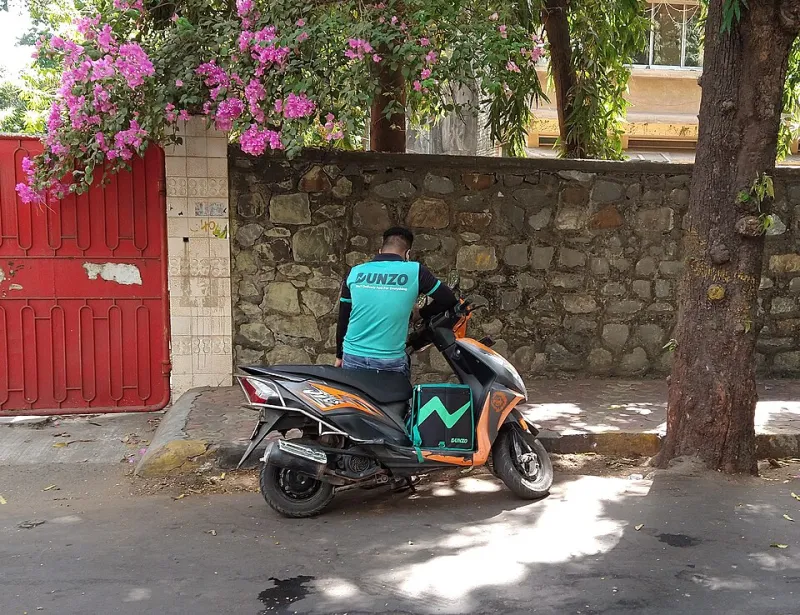
Photo: Gaurav Dhwaj Khadka, CC BY-SA 4.0, via Wikimedia Commons
There is a particular hour in Mumbai — somewhere between the last train crowd and the first newspaper delivery — when the city sounds like it's exhaling. The streets are emptier, the cabs are fewer, and the air smells like diesel and jasmine instead of sweat and spice. And then, under a fluorescent tube that buzzes a little too loudly, you see it: a steel tray of peda, still warm, still glossy with ghee.
Mumbai's sweet shops don't all close when the city does. Some stay open for the night shift, some for the wedding season, and some simply because the family that runs them has never quite agreed on a closing time. For a traveler with jet lag and a sweet tooth, that translates into one of the city's most underrated after-dark experiences: the midnight mithai crawl.
First Stop: The Fluorescent Cathedral
Start in Andheri East, where the streets near the railway station stay busy well past midnight. Offices empty out late, airport crews rotate through, and the sweet counters near the main road keep their lights on for the people who finish work when most restaurants are stacking chairs.
A branch of Brijwasi Sweets is a reliable anchor here. The shop is not fancy — the aesthetic is bright light, steel counters, and a glass case that reflects the street outside — but that's the point. You're not here for ambiance. You're here for a square of milk barfi that tastes like sweetened cardamom and a little bit of calm.
Ask for a small mixed box. The staff will move fast, weighing pieces on a digital scale, folding the box corners with the efficiency of people who have done this ten thousand times. If you're lucky, someone will be frying fresh jalebis in the back, and the whole shop will smell like caramelized sugar and hot oil. Take the box outside, stand on the sidewalk, and eat one piece before you walk away. It's better warm.
Bandra, and the Wedding Order
Head west toward Bandra, where the sweet shops sit between late-night bakeries and bars that are just getting going. Tewari Bros is a good stop, often open past midnight, and the crowd here is a mix of families, couples, and the occasional wedding planner doing a last-minute count of boxes.
This is where you see the other side of Mumbai's mithai economy. Weddings don't stop at 9 p.m., and neither do the people organizing them. A woman in a kurta will be on her phone, confirming an order of kaju katli for a morning ceremony. A man in a Tata Nexon will load six boxes into the back seat. The counter staff will be calm about all of it.
For a visitor, the move here is to buy by weight and ask what's freshest. Kaju katli — the diamond-shaped cashew fudge with a sheet of edible silver leaf on top — is the safe bet, but the milk peda and the pistachio roll are worth trying too. If you're staying in a hotel, ask them to pack it separately from anything savory. Mithai absorbs smells the way a sweater absorbs smoke.
The Old City at the Witching Hour
If you want the version of this crawl that feels like a scene from a movie, go south to Mohammed Ali Road. The area around Suleman Usman Mithaiwala stays lively late into the night, especially during Ramadan, when the whole neighborhood shifts its rhythm. But even on an ordinary Tuesday in November 2026, there's a decent chance of finding a lit counter and a tray of malai khaja or a box of sutarfeni.
The old city at night is a different city. Shops are shuttered, but the ones that are open glow like small stages. Taxi drivers stop for tea. A hospital worker in scrubs buys two boxes and disappears. The air smells like fried onions from a nearby stall and rosewater from the sweet shop. You eat standing up, because there's nowhere to sit, and that's fine.
This is also where you learn the local etiquette: don't point with your finger at the tray; use your whole hand or ask the shopkeeper to choose. Don't ask for a taste unless you're buying. And if someone offers you a piece, take it with your right hand and say thank you. Small things, but they matter.
What to Order, and How to Behave
A few practical notes for your own midnight crawl:
- Carry small notes. Many of these shops prefer cash, and breaking a large bill at 1 a.m. is nobody's idea of fun.
- Buy less than you think. Mithai is heavy. A half-kilo box goes a long way, and it's best eaten within a day or two.
- Ask what's fresh. The answer will usually be honest. If the shopkeeper says the peda came in this morning, believe them.
- Pair it with chai. There's almost always a tea stall within a block. The combination of hot, milky chai and a cold kaju katli is one of Mumbai's quiet pleasures.
- Don't overstay. These are working shops, not cafes. Buy your box, say thank you, and let the next person step up to the counter.
The Last Box
By 2 a.m., the city has thinned out again. The cab ride back to your hotel passes closed storefronts and the occasional food cart. You're holding a box tied with string, and the smell of ghee and cardamom is coming through the cardboard.
It's a small thing, this late-night mithai run. But it tells you something about Mumbai that a museum won't. The city runs on shifts — hospital shifts, hotel shifts, wedding shifts, cab shifts — and the sweet shops stay open for all of them. You don't need a reservation or a guide. You just need to be hungry at the right hour, and to know which counter is still lit.
If you're visiting from the States, think of it as the Mumbai equivalent of a 24-hour diner, except the pie is pistachio barfi and the coffee is a clay cup of chai. It's not a tourist attraction. It's just a city feeding itself after dark. And if you happen to be awake, you're welcome to join in.