Chalk Lines and Chai Breaks: A Morning With Mumbai’s Sari-Blouse Tailors

Photo by Photo by atelierbyvineeth ... on Unsplash on Unsplash
The shop is barely wider than the doorway. Inside, a ceiling fan moves hot air from one wall to the other. Bolts of silk are stacked like logs. A tailor sits cross-legged on a low wooden platform, chalk in one hand, a strip of paper patterns in the other, and a half-finished blouse draped over his knee. Somewhere behind a curtain, a kettle is doing its slow, important work.
This is a sari-blouse shop in Dadar or Kalbadevi—the kind of place where the entire garment is negotiated in person, not through an app. You bring fabric. You bring a deadline. You bring a body that has to fit into a family occasion. The tailor brings the chalk, the patience, and the quiet judgment of someone who has seen a thousand brides, aunts, and last-minute cousins walk through the door.
The Shop Is the Size of a Closet
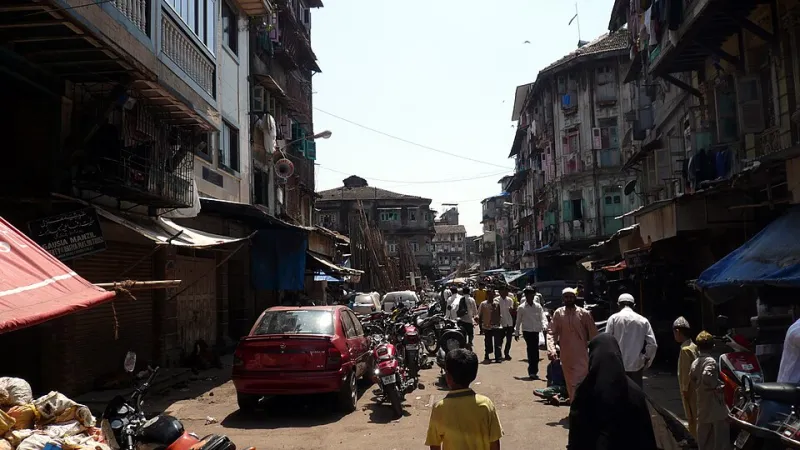
Most of these workshops are not showrooms. They are workrooms with a front counter, and the counter is usually covered in fabric. In Kalbadevi, the lanes near the cloth market are packed with them—narrow stairwells, hand-painted boards, a mirror propped at an angle so you can see the back of your own shoulder. In Dadar, they cluster around the shopping streets and the older residential blocks, where the tailor knows the building watchman by name.
For a visitor, the first instinct is to treat it like a boutique. Don’t. Treat it like a workshop. Ask who is cutting, who is stitching, and when the piece can be ready. If the answer is vague, walk. If the answer includes a specific day and an offer to pin the blouse on you today, stay.
Six Measurements, One Ceremony
A sari blouse looks simple: a fitted top, a short sleeve, a row of hooks. In practice, it is a small piece of engineering. The tailor takes measurements across the bust, under the bust, across the shoulder, around the armhole, down the sleeve, and around the waist. Then comes the less mathematical part. Is the occasion a wedding? A pooja? A reception where the sari will be draped in a particular style? Do you want padding, piping, a scooped back, a high neck, a cap sleeve, a three-quarter sleeve? Will the blouse be lined? Will it need a front opening or a back opening? Will you be sitting for hours, dancing, or standing in a receiving line?
These questions matter because the blouse has to work with the sari, not just the body. A blouse that fits perfectly in the mirror can still fail when the sari is tied, the pleats are pinned, and the afternoon turns into evening. Good tailors know this. They will ask what the sari looks like, or ask you to bring it. They will also ask when you need it, not because they are nosy, but because the calendar in their head is already crowded.
How to Commission a Blouse (Without Being That Customer)
If you are a traveler and want to commission a piece, plan it like a small project. First, buy your fabric. You can find blouse pieces in the same cloth shops—usually a meter or so of matching or contrasting material. Ask for a “blouse piece” and bring it to the tailor. If you already have a blouse that fits well, bring that too. It is often more useful than a fresh set of numbers.
Second, agree on the details before the tailor starts cutting. Neckline, sleeve length, lining, padding, hooks, and whether you want a little margin inside for adjustments. Take a photo of the fabric and the blouse you like. Write the pickup date on the receipt. A simple cotton blouse might take a week; a wedding piece with lining and piping can take two or three. During wedding season—roughly November through February in Mumbai—add buffer time. Rush jobs exist, but they cost more and they stress everyone.
Third, go for the trial. This is not optional. The fitting is where the tailor fixes the shoulder, takes in the side, and decides whether the neckline sits right. It is also where you learn whether you can raise your arms without hearing a seam complain.
Fourth, don’t haggle over the last hundred rupees. Tailoring charges vary, but a basic cotton blouse might run a few hundred rupees; a lined silk piece with piping and padding can push into the low thousands. In US terms, that is roughly the price of a nice lunch back home versus a nice dinner. Pay it. The labor is the point.
The Fitting Stool Is the Best Seat in the Neighborhood
The fitting stool is usually a low, square wooden thing, often the only seat in the shop that is not covered in fabric. Sit on it and you are at the tailor’s eye level, which is exactly where you want to be. From there, you can see the pins go in, the chalk marks appear, and the blouse take shape. You can also see the shop’s real life: the daughter doing homework behind the counter, the delivery boy dropping off a bag of hooks, the neighbor asking for a five-minute favor.
It is the best seat in the neighborhood because it is the least glamorous one. You are not in a café or a concept store. You are in a room where a craft is being practiced in real time, and the person practicing it is deciding how you will look at a wedding. That is a strange and generous thing to witness.
The Clock Is Part of the Craft
The tailoring trade in Mumbai has been shrinking for decades. Fast fashion, online blouse shops, and the simple economics of rent have pushed many small workshops out. The ones that remain often work on thin margins and long hours. The tailor who measures you at noon may be stitching at midnight. The shop may close for a family emergency and reopen without warning. This is not disorganization. It is a small business with no spare staff.
So build in slack. Pick up the blouse a day early. Check the hooks and the lining before you leave. Ask what to do if the blouse needs a small adjustment after the sari is tied—good tailors will tell you to come back, and they mean it.
What Disappears When the Shutters Come Down
When a sari-blouse shop closes, what disappears is not just a service. It is a particular kind of local knowledge: how a shoulder should sit on a body that has been carrying a sari for forty years, how much ease a bride needs for a long ceremony, how to make a blouse that looks good in photographs without feeling like armor. That knowledge lives in the hands and the chalk marks, not in a size chart.
If you have a morning in Dadar or Kalbadevi, walk past the fabric shops and look for the small boards. Step in. Ask a question. Get measured. The blouse you take home will be a souvenir, yes, but it will also be a small piece of a city’s working life—cut, pinned, and stitched in a room the size of a closet.