Dawn Patrol: A Jet-Lag Breakfast Crawl Through Dadar and Matunga
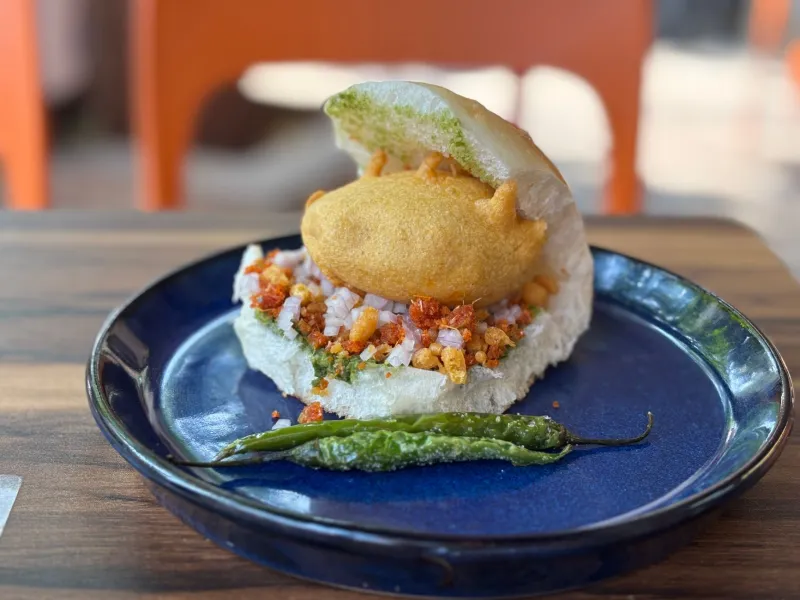
Jet lag is a strange gift. You wake up at an hour when the city is still half-lit, when the street cleaners are out and the tea stalls are just firing up their burners. In most cities, that means waiting for a hotel breakfast. In Mumbai, it means you are exactly on time for the best meal of the day.
Dadar and Matunga are next-door neighborhoods with very different breakfast personalities. Dadar is Maharashtrian and businesslike—poha, misal, chai, move along. Matunga is the city's Tamil Brahmin heartland, where the idli is soft as a pillow and the filter coffee arrives in a steel tumbler. Put them together and you have a two-mile morning crawl that is gentle on a confused stomach, cheap by US standards, and far more memorable than a buffet.
Why 6:30 A.M. Is the Best Table in Mumbai
Mumbai wakes up in layers. The first layer is the delivery trucks and the newspaper carts. The second is the tea stalls and the temple crowds. By 8:30 a.m., the third layer arrives: offices, schools, and the full weight of the local train schedule. If you start at 6:30 or 7, you get the city before it puts on its armor.
For a US traveler coming off a long flight, this is the jet-lag cheat code. Do not fight the 4 a.m. wake-up. Get dressed, take a short cab or walk to Dadar West, and eat breakfast while the sky turns from gray to pink. You will be back at your hotel by 10 a.m., ready for a nap that actually makes sense.
Stop 1: Poha and Chai in Dadar West
Start near Dadar West station, where the streets are already busy but not yet frantic. Poha is flattened rice, rinsed and steamed with turmeric, mustard seeds, peanuts, and curry leaves. It is light, slightly sour from lemon, and topped with crunchy sev. Think of it as the Indian answer to a breakfast hash—except it will not sit in your stomach like a brick.
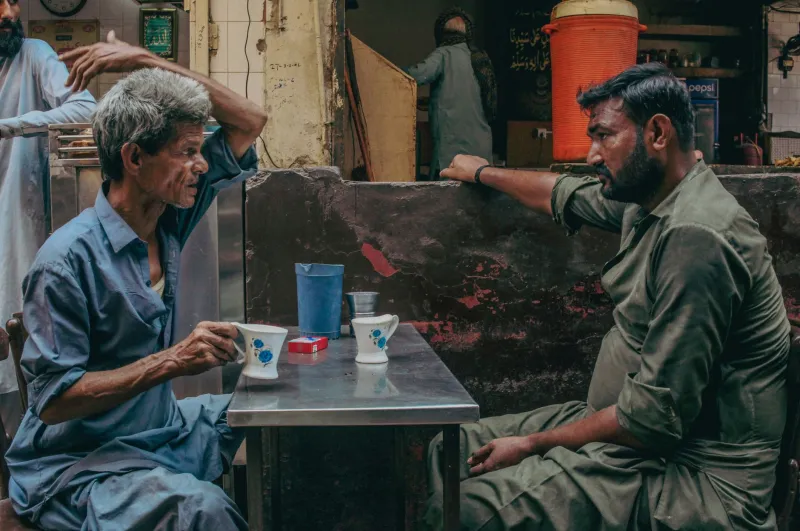
Order like this: 'Ek plate poha, ek cutting chai.' A cutting chai is a half glass—strong, milky, and sweet. It is the espresso macchiato of Mumbai: small, intense, and meant to be drunk standing up. If you want less sugar, say 'kam sugar' and hope for the best. The chai wallah has heard it before.
Eat at a stand-up counter or a small table. Do not look for a menu with descriptions. Point at what someone else is eating. Squeeze the lemon wedge over the poha. Mix in the sev. Eat it while it is hot, because cold poha is a sad thing.
Stop 2: Misal Pav, With Rules
Misal pav is the main event. It is a bowl of sprouted moth beans in a spicy gravy—the gravy is called tarri—topped with farsan, chopped onions, and sometimes a squeeze of lemon. It comes with soft pav buns. The rule is simple: do not drown everything at once. Taste the misal first. Add the farsan for crunch. Add onions for sharpness. Add lemon if it needs brightening. Use the pav to mop, scoop, and cool your mouth.
Dadar has several old-school places where misal is served before 8 a.m. Look for a crowd of people eating standing up or at shared tables. If the place is famous, there will be a line; if the line is moving fast, join it. Misal is not a linger-over-coffee meal. It is a eat-and-go meal, and that is part of the pleasure.
A word on spice: Mumbai spicy is not the same as US spicy. It builds. If you are sensitive, ask for 'less tikha' or order a plate of curd on the side. But do not ask for mild misal and then act surprised when it still has a kick. The kick is the point.
Stop 3: The Matunga Idli Belt
From Dadar, walk or take a short cab to Matunga East. This is where the breakfast crawl slows down. Matunga has been the center of Mumbai's Tamil community for generations, and the streets around the station are lined with small cafes and canteens that serve idli, medu vada, upma, and filter coffee from early morning.
An idli should be spongy, not dense—light enough to soak up sambar without falling apart. The sambar should taste of tamarind and dal, not just chili. The coconut chutney should be fresh, with a tempering of mustard seeds and curry leaves on top. Order a plate of idli, a medu vada if you are still hungry, and a filter coffee. The coffee arrives in a steel tumbler with a separate bowl to cool it. Pour it back and forth if you want to look like you know what you are doing. Nobody will mind if you do not.
Places like Café Madras and Ram Ashraya are the well-known names, but the pleasure is in the smaller canteens too. Look for a doorway with a few tables, a picture of a deity, and a server carrying a tray of idlis. That is the signal.
Ordering Cheat Sheet
- Cutting chai: half a glass of milky tea. Cheap, strong, social.
- Poha: flattened rice with turmeric, peanuts, lemon, and sev. Light and fast.
- Misal pav: sprouted beans in spicy gravy with farsan, onions, and pav. Mix gradually.
- Idli: steamed rice cakes. Eat with sambar and coconut chutney.
- Medu vada: savory lentil doughnut. Crisp outside, soft inside.
- Filter coffee: strong milky coffee served in a steel tumbler. Pour to cool.
Carry small bills. Many places take UPI, but a US phone may not be set up for it, so cash is your friend. A full crawl—poha, chai, misal, idli, coffee—will likely cost less than a single brunch entrée back home. Tipping is not expected in the same way, but leaving a little extra is fine.
Timing and Neighborhood Context
Dadar is the Maharashtrian heart of Mumbai—loud, practical, and full of people who have been eating the same breakfast for decades. Matunga is quieter, more residential, and deeply connected to South Indian temple and cafe culture. The two neighborhoods sit side by side, but they feel like different cities at 7 a.m.
Weekdays are best for the full route. Saturdays are busy but manageable. Sundays can be crowded with families and some places may open later or close earlier. If you are here in the monsoon, carry an umbrella and expect the walk between stops to be slower. If you are here in summer, start at 6:30 a.m. sharp and finish before the heat builds.
The route is roughly two miles if you walk between Dadar West and Matunga East, but you can shorten it with a short cab or auto ride. Do not overplan. The best moments will be the ones you did not schedule: a chai stall with a perfect patch of morning light, a server who shows you how to fold the pav, a table of strangers who make room for you without being asked.
The Route at a Glance
6:45 a.m. — Dadar West: poha and cutting chai. 7:30 a.m. — Misal pav at a local institution. 8:15 a.m. — Walk or cab to Matunga East. 8:45 a.m. — Idli, vada, and filter coffee. 9:45 a.m. — Wander the market lanes, then head back. By 10 a.m., the city is fully awake. You, meanwhile, have already had the best morning of your trip.