The Horn Section Knows Your Street: A Night With Mumbai’s Wedding Brass Bands

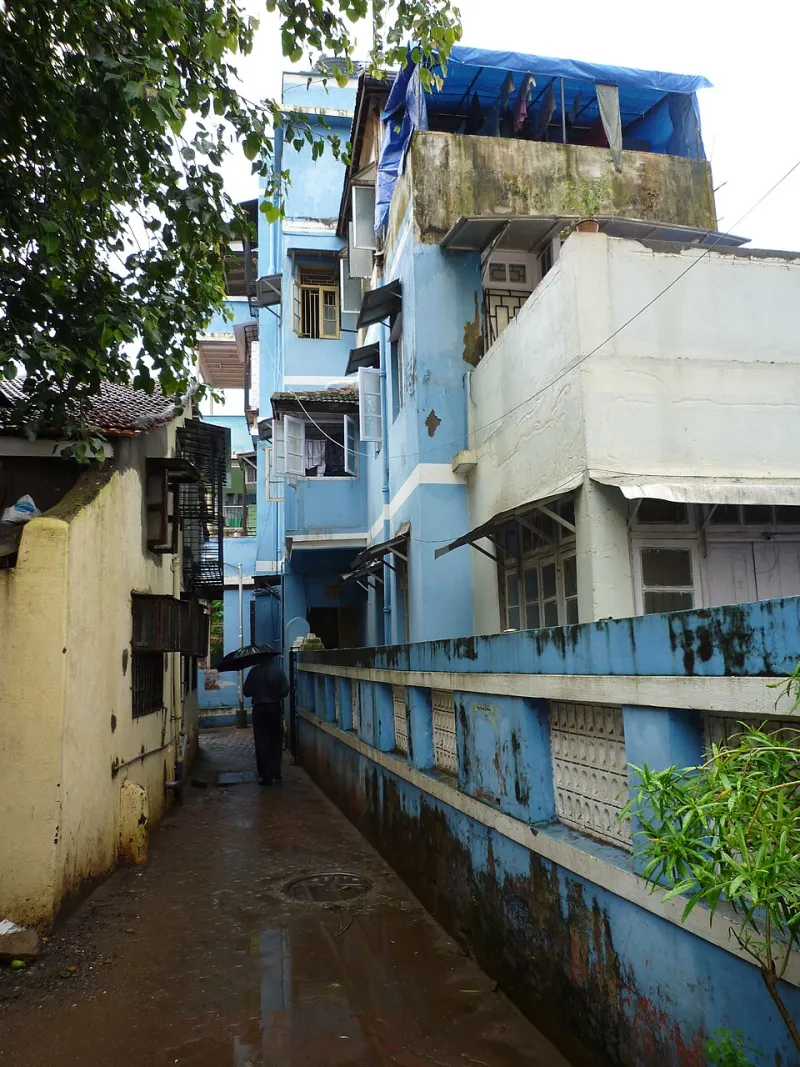
Photo by Photo by riddhesh patil on Unsplash on Unsplash
On a Thursday night in Parel, the party starts without a guest list. A garage door rolls up, a tuba player ducks under the half-open shutter, and someone drags a plastic chair into the street for the snare drummer. The rehearsal has the loose, stop-start rhythm of a pickup basketball game: a few bars of a Bollywood chorus, a debate about the tempo, a trumpet line that keeps landing a half-beat late, then a run-through that suddenly clicks.
This is where a Mumbai wedding brass band lives between gigs. Not in a concert hall, not on a streaming playlist, but in the city’s side streets, behind repair shops and under apartment blocks, in the hours when the traffic finally thins out. The bands are hired for weddings, of course, but also for festival processions, religious celebrations, store openings, political rallies, and the occasional film shoot. To a visitor, they can look like a sudden eruption of sound. To the neighborhood, they are a familiar service, as ordinary as a delivery van and as particular as a local bus route.
The Rehearsal Behind the Garage Door
The first thing you notice is the inventory. A wedding band in Mumbai is a small mobile orchestra: trumpets, trombones, a tuba or sousaphone, clarinet, saxophone, snare drum, bass drum, cymbals, sometimes a keyboard pumped through a battery-powered amp. The players may be full-time musicians, part-time teachers, or the nephews and neighbors of someone who has been leading the group for decades. Many bands are family-run, with a leader who handles bookings, uniforms, and the delicate business of telling a client that yes, the band can absolutely play that one song from the 1990s, and no, the trumpet player cannot also double as a DJ.
At rehearsal, the set list is a reminder that Mumbai’s ears are omnivorous. A brass arrangement of a Hindi film hit gives way to a jazz standard, then a Marathi celebration song, then something that sounds like it wandered in from a church choir. The musicians do not treat these as separate categories. They are all working material, chosen for the moment: a bride’s entrance, a groom’s arrival, the slow walk to the car, the point when the guests are tired and need something with a beat. The best bands understand that a wedding is not a concert. It is a sequence of cues, and the horn section is there to make each cue feel bigger than it is.
A Set List Built From the Whole City
Listen closely and you can hear the city’s musical geography. Bollywood film songs are the common language, the tunes everyone recognizes from weddings, buses, and family functions. Jazz and Western brass-band standards arrive through older institutional routes, the kind of music that has been passed down in Catholic neighborhoods and school bands for generations. Regional songs come from the families hiring the band: Marathi, Gujarati, Punjabi, Tamil, Telugu, Malayali, and more, depending on the wedding. A good bandleader reads the crowd and adjusts. A great one does it without appearing to.
The arrangements are practical rather than precious. A song may be shortened, stretched, or repeated until the procession reaches the gate. The tuba holds down a bass line that you feel in your chest before you hear it. The snare drummer adds fills that are half marching band, half street percussion. The trumpets carry the melody, but the clarinet often has the most interesting job, threading a countermelody through the noise. It is not a polished, sit-down performance. It is music built for walking, stopping, waiting, and starting again.
Saturday, With Traffic as an Instrument
On a Saturday evening, the same band can be found in a different mode. The uniforms come out: white trousers, satin sashes, caps with braided trim. The truck or tempo is decorated with flowers and lights. The musicians load in near the wedding venue or the family home, tune up on the pavement, and wait for the signal. Then the baraat begins, and the band becomes a moving room. Guests dance in front of it, photographers circle it, children dart through the gaps, and the procession advances at the speed of joy and traffic.
This is the part travelers sometimes stumble into: a lane in Dadar or Bandra suddenly loud with horns, a groom on a horse or in a car, a family in bright clothes, a band doing its best to keep everyone moving. It can feel like an invitation because it is public, but it is still a private event. The family has paid for the music, the route, and the moment. The band is at work. The right move is to watch from the edge, enjoy the spectacle, and not insert yourself into the procession.
Where Travelers Can Catch the Sound
You do not need a wedding invitation to hear these bands. The most reliable public settings are festival processions, especially during Ganesh Chaturthi, when neighborhood mandals hire brass bands for immersion routes. The sound is bigger, the crowds are thicker, and the bands are used to spectators. Public rehearsals are another option. Ask at a local music shop, a garage, or a community hall in areas like Lalbaug, Parel, Dadar, Byculla, and Mazgaon; rehearsal schedules are not advertised, but they are not secret either. Street-side wedding prep is a third: if you see a decorated truck, instruments being unloaded, and musicians in matching uniforms, you are probably early to a procession. Stand back, stay clear of the driveway, and let the band do its sound check.
Some hotels and cultural festivals also book brass bands for public performances, especially around New Year’s Eve and city festivals. These are the easiest options for visitors who want a guaranteed listen without hovering near a private event. Check local listings, community noticeboards, and the program pages of arts venues. If you are staying in a neighborhood with a wedding hall, ask your host or hotel staff whether a procession is likely to pass by. In Mumbai, that is less a question about music than a question about logistics.
Listening Rules for a Borrowed Moment
A brass band is loud by design, so etiquette is mostly about space. Do not stand in the path of the procession. Do not climb on walls, block a gate, or step into the middle of the formation for a photo. If you are filming, keep it short and hold your phone at chest height rather than waving it above the crowd. Ask before photographing individual musicians up close, especially if they are minors. A quick gesture and a smile go a long way; most players will nod if they are comfortable.
Tipping is welcome but should be handled discreetly. If you are watching a public performance, hand a small note to the bandleader or the person collecting for the group, not to individual players in the middle of a set. Do not stuff money into an instrument or a uniform. If you are at a public festival, follow the crowd’s cues: some processions have organized collection points, and some do not expect tips at all. The safest rule is simple: ask first, keep it low-key, and do not make a performance out of your generosity.
The Walk Home
By the end of the night, the band has packed up, the truck has pulled away, and the lane goes back to its usual self. A neighbor sweeps the pavement. A dog investigates the leftover flower petals. The tuba player walks home with his instrument case banging gently against his leg. Tomorrow there may be another rehearsal, another wedding, another route through the city.
For a visitor, the appeal is not just the music. It is the way the music fits into the city’s everyday machinery: the garage, the truck, the traffic, the family, the lane. Mumbai’s wedding bands are not a tourist attraction staged for outsiders. They are a neighborhood service with a very good horn section. If you get the chance to stand at the edge of one of those processions, take it in, keep your distance, and let the city play through.