A Village Inside the City: Walking Khotachiwadi With Care
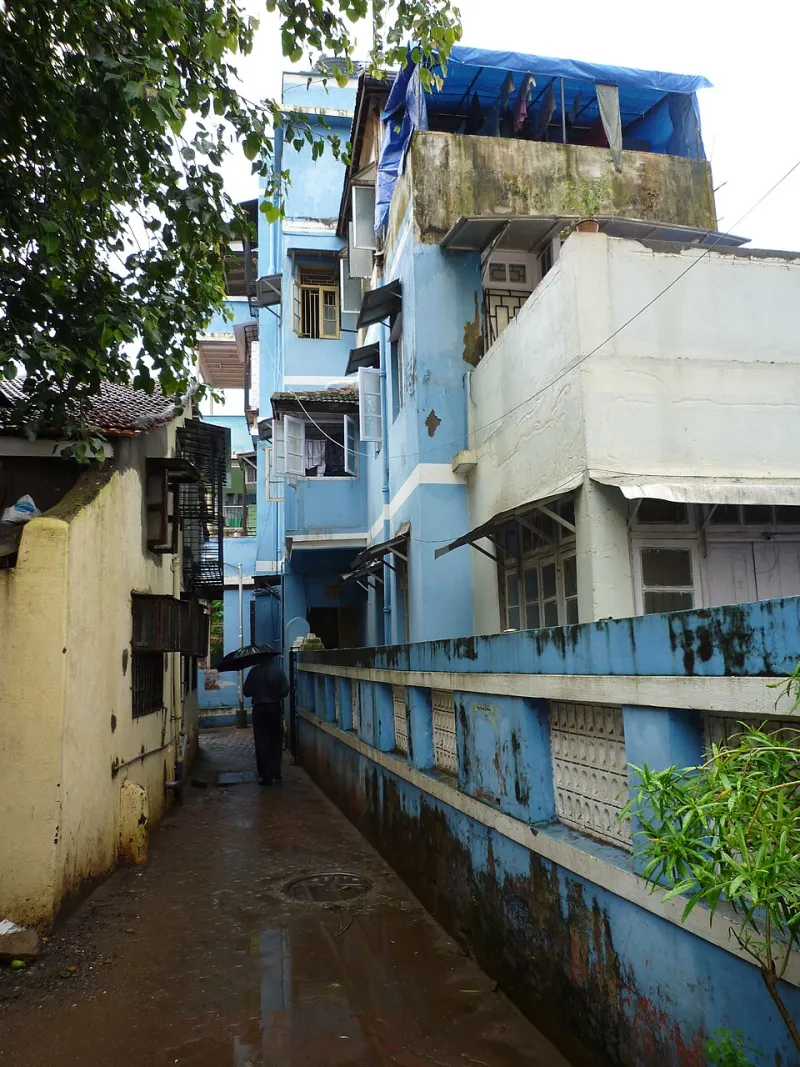
Photo: urbzoo, CC BY 2.0, via Wikimedia Commons
Most Mumbai walks start with a landmark. This one starts with a turn off Jagannath Shankarseth Road, where the wholesale chaos of Girgaum—sacks of rice, handcarts, horns—falls away after a few steps. Suddenly the lane narrows. The buildings shrink. Wooden balconies lean over the street like old friends sharing a secret. You are in Khotachiwadi, a pocket of a few dozen houses that feels like a village that somehow missed the memo about Mumbai's vertical future.
On a Sunday morning, the neighborhood is at its most legible. Shutters open slowly. A man waters a plant on a narrow ledge. Somewhere a pressure cooker whistles, then stops. For a visitor used to historic districts with visitor centers and rope lines, this can be disorienting. Khotachiwadi is not a museum. It is a place where people live, repair, argue, cook, and occasionally wonder why a stranger is photographing their front door.
A Lane That Asks You to Slow Down
Khotachiwadi dates to the late 1700s, when the East Indian community—Mumbai's original Catholic residents—settled here. The name comes from the Khot family, who once owned the land. Portuguese influence shows up in the steep tiled roofs, the pastel facades, the little chapels, and the way houses sit close to the street. But the story here is not only architectural. It is about families who have stayed through wave after wave of redevelopment, and about what a city loses when every old lane becomes a tower.
A longtime resident, who has lived on the same lane for more than four decades, agrees to show me around. She points out the carved wooden columns, the benches built into the walls, the way some houses have two front doors—one for the family, one for guests. She also points out what visitors often miss: the new concrete behind an old facade, the house that was sold, the balcony that was repaired with whatever was available. "People think it is all original," she says. "It is all cared for."
She asks that I not photograph open doorways or children. It is a small request, and a useful reminder. The lane is not a photo set. The best way to see it is to walk slowly, keep your voice low, and understand that the most interesting details are often on the edge of private property.
Bread, Cake, and the Smell of a Village
Halfway down one lane, a small community bakery does a quiet Sunday business. The air smells of yeast and sugar. A tray of warm bread comes out of the oven and is gone before it cools. The bakery is not a tourist attraction; it is where the neighborhood buys its morning pav and maybe a slice of cake for later. If you stop in, buy something. It is the simplest way to be a guest rather than a spectator.
A few doors down, a resident opens her home kitchen on some Sundays for a small lunch. This is not a restaurant. There is no signboard, no menu, no booking app. If you are invited—and invitations tend to come through neighborhood connections or a guide who knows the family—say yes. East Indian home cooking might include fugias, the small fried breads that show up at celebrations, or a coconut-rich curry with rice. You eat what is served, you compliment the cook, and you do not ask for a to-go box.
If you are not invited, do not knock. That is the rule. The home kitchen is a privilege, not an attraction.
The Rules of a Living Village
Visiting Khotachiwadi respectfully is mostly about common sense, but common sense needs a little help in a place this small.
- Ask before you photograph people or open doorways. If someone says no, move on.
- Do not enter private courtyards or climb steps to get a better angle.
- Keep your voice low. Sound carries in narrow lanes.
- Buy from the bakery or a local shop if you can. Small spending matters.
- Do not block the lane with a group or a tripod.
- Go with a guide if you want context, but choose one who works with residents, not around them.
- Avoid peak afternoon heat and the evening rush. Sunday morning is calmer.
For American travelers used to historic neighborhoods with clear public paths, this can feel like a set of unwritten rules. That is because it is. The neighborhood is not set up for tourism, and that is part of its character. The goal is not to make it convenient. The goal is to leave it as quiet as you found it.
Why It Matters
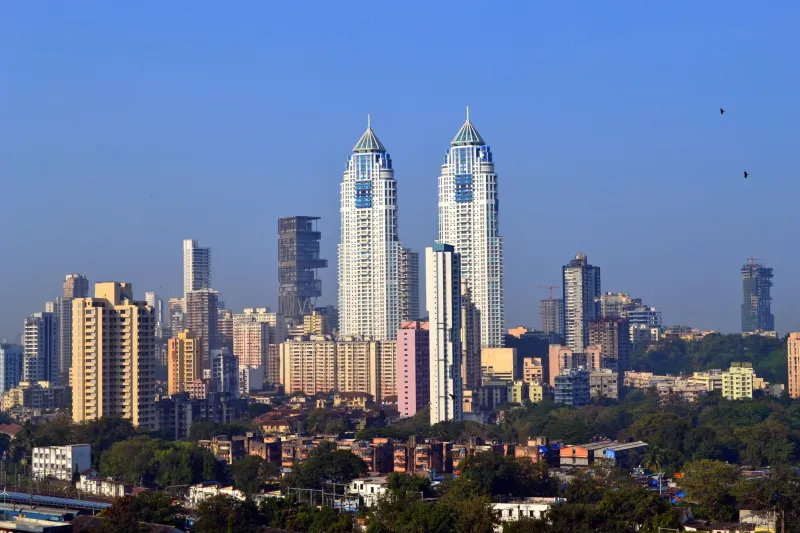
Mumbai is a city that loves a skyline. Khotachiwadi is a reminder that a city can also be a set of wooden stairs, a shared wall, a chapel bell, a bakery queue. The neighborhood has fought redevelopment for generations, and the tension is not abstract. It is in the cracked tiles, the repaired roofs, and the new concrete behind the old facades. Some families have stayed. Some have sold. Some are still deciding.
Visiting does not save a neighborhood. But visiting with care can help make the case that preservation is not nostalgia. It is about people having the choice to stay in the place they call home. In a city racing upward, that is a fragile and valuable thing.
If You Go
Khotachiwadi sits in Girgaum, a short walk from Charni Road station and a quick taxi ride from the denser parts of South Mumbai. There is no entry fee and no visitor center. Go on a Sunday morning if you want the lanes at their calmest. Bring cash for the bakery. Wear shoes you can slip off if you are invited inside. And remember that the neighborhood is not a shortcut to anywhere. It is the destination.